And so it goes with God
Life of PiAnd so it goes with God is Pi Patel’s final analogy between a reader’s choice of story and a person’s choice of faith. After setting the animal and animal-free accounts against the same unverifiable facts, Pi turns Tomohiro Okamoto and Atsuro Chiba’s preference for the animal story into a quiet statement about belief: proof may be unavailable, but a story can still be chosen for what it makes possible.
The Question of Preference
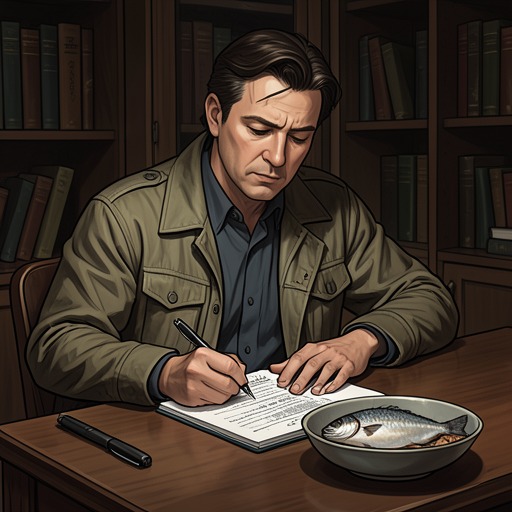
Pi first establishes the limit of the investigators’ knowledge: they cannot prove which account is true and must take his word for it. He then points out that, in either version, the ship sinks, his family dies, and he suffers. Since those outcomes make no factual difference to his listeners, he asks which account they prefer—the story with animals or the story without them. The question shifts the discussion from verification to the meaning a listener finds in an account.
The Answer and the Analogy
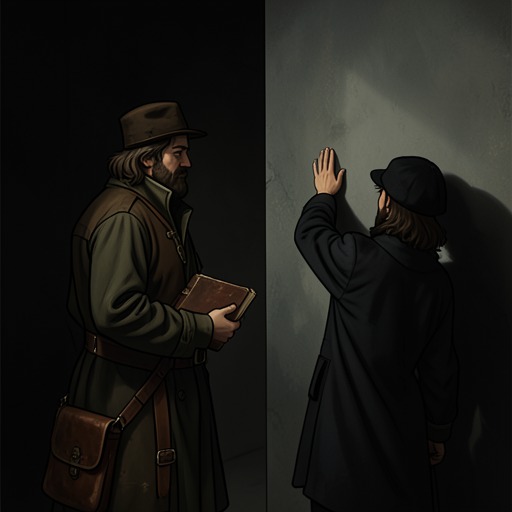
Atsuro Chiba answers that he prefers the story with animals. Tomohiro Okamoto, translating, confirms the choice: “The story with animals is the better story.” Pi thanks him, then adds, “And so it goes with God.” The line links the investigators’ acceptance of a compelling story to belief in God. It does not prove either the animal account or God’s existence; instead, it suggests that when facts cannot settle the matter, the choice of what to believe may rest on the story one finds more meaningful.
Silence After the Closing Line
The exchange ends not with an argument but with silence. Atsuro Chiba asks what Pi has just said, and Tomohiro Okamoto replies that he does not know; Chiba then notices that Pi is crying. The investigators do not explain the tears, leaving the emotional force of the moment unresolved. That pause gives the expression its final weight: Pi’s analogy is offered as a personal conclusion, but its meaning remains for his listeners—and the reader—to consider.